LGBTIQ Flag Patch: A Thoughtful Embroidery Choice
First Impressions: Sweet, Simple, and Sincerely Uplifting
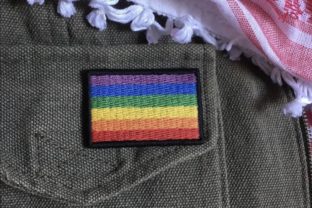
As an embroidery designer who’s stitched hundreds of awareness-themed pieces for baby blankets, wedding keepsakes, and small-shop gift lines, my first glance at the LGBTIQ Flag Patch stopped me mid-thread-cut. It’s not flashy—but it’s full of quiet confidence. The design carries a warm, handmade charm: clean lines, balanced proportions, and just enough detail to honor each stripe without overcomplicating the stitch count. It feels modern and timeless at once—neither overly playful nor stiffly formal. That balance is rare in flag-based embroidery, especially for beginner-friendly files. Emotionally? It reads as inclusive, hopeful, and grounded—not performative, but personal. Exactly what customers seek when choosing a personalized gift with meaning.
Where This Patch Truly Shines
The LGBTIQ Flag Patch isn’t just decorative—it’s deeply functional across product categories I regularly develop for Etsy sellers, boutique gift shops, and custom-order studios:
- Baby embroidery: Perfect for gender-neutral nursery decor—think onesies (with care—see below), organic cotton blankets, or muslin swaddles. Its compact scale fits beautifully on corner hems or chest panels.
- Wedding gift and family keepsake: Stitched onto linen pillow covers or heirloom-style handkerchiefs, it adds subtle symbolism without overwhelming tradition. Couples appreciate its quiet elegance in vow books or framed fabric art.
- Embroidered towel and apron: Works wonderfully on terry cloth (with proper stabilizer) and medium-weight cotton twill—ideal for pride-themed kitchen sets or café-branded staff aprons.
- Pillow cover, tote bag, and blanket embroidery: Its balanced density holds up well on both woven and knit blends, making it versatile for craft fairs and online listings.
- Etsy seller and small shop product development: As a digital embroidery file, it pairs seamlessly with printable mockups—great for previewing on multiple products before committing to production runs.
Where to Use It Thoughtfully
Even sweet, simple designs need intention. Here’s where I recommend extra care with the LGBTIQ Flag Patch:
- Small lettering or fine details: This patch has no text—so no concerns there—but avoid pairing it with tiny custom monograms nearby; the flag’s visual weight deserves breathing room.
- Textured fabric and thick towels: Yes, it works—but only with cutaway or tear-away stabilizer suited to pile height. Always test stitch density on scrap first.
- Stretchy baby clothes: Not ideal for direct application on knits unless fused with lightweight iron-on backing *and* tested for wash durability.
- Curved surfaces (like mugs or rounded tote handles): Stick to flat applications—pillow fronts, towel hems, tote centers—where registration stays precise.
- Dark fabric: Thread colors pop best on light-to-mid tones. On charcoal or navy, consider switching to high-contrast thread (e.g., bright white top thread with matching bobbin) and verifying visibility in your final mockup.
- Frequent washing: While the design itself is sturdy, always reinforce backings on items like kitchen towels or baby blankets—and confirm your stabilizer choice supports repeated laundering.
Why It Elevates Your Handmade Product
This isn’t just another machine embroidery design—it’s a trust-builder. Customers browsing for a personalized gift respond strongly to authenticity, and the LGBTIQ Flag Patch delivers that through thoughtful execution. When stitched cleanly, it signals care, inclusivity, and craftsmanship—boosting perceived value far beyond its size. For Etsy sellers, it improves buyer engagement: shoppers linger longer on listings featuring emotionally resonant embroidery, especially when paired with lifestyle photography showing real use (a linen pillow on a sunlit sofa, a baby blanket draped over a wooden rocker). And because it’s easy to sew and cut, it reduces production friction—letting you focus on storytelling, packaging, and customer connection instead of troubleshooting tension issues.
Practical Embroidery Notes You’ll Want to Keep Handy
Before stitching your first LGBTIQ Flag Patch for a client or inventory batch, run through this quick checklist:
- Test on scrap fabric—especially if using textured, dark, or stretchy materials.
- Check thread color contrast across your intended fabric palette. Some rainbow threads dull on black; others glow on oatmeal linen.
- Confirm hoop size compatibility with your machine—this patch is beginner-friendly, but double-check fit before hooping precious goods.
- Review stitch density in your embroidery software. If editing, avoid reducing density too much—it can weaken edge definition on satin-stitched stripes.
- Use proper stabilizer: Lightweight cutaway for wovens, tear-away for stable cottons, and fusible + cutaway for knits or terrycloth.
- Compare light and dark fabric mockups side-by-side—what reads clearly on ivory may vanish on slate gray.
- Check small details after stitching: Ensure all six stripes are distinct and no thread nests hide the inner edges.
- Confirm commercial licensing before selling finished products—this is essential for any digital embroidery file used in a commercial embroidery context.
A Final Note on Meaning and Craft
In the Awareness category, embroidery isn’t just decoration—it’s quiet advocacy. The LGBTIQ Flag Patch succeeds because it’s approachable without being diluted, symbolic without being heavy-handed. Whether stitched onto a baby’s first blanket or a wedding guest’s thank-you tote, it invites warmth, recognition, and belonging. For makers building a reputation around heartfelt, high-quality handmade product, this design earns its place—not just in the hoop, but in the story you tell with every finished product.