Hope Survive Embroidery Design
A First Look: Clean, Compassionate, and Commercially Ready
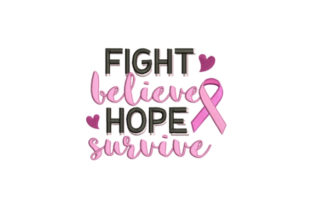
As someone who’s digitized and stitched hundreds of awareness motifs for boutique apparel, my first impression of Hope Survive is immediate: it carries quiet strength. This isn’t a flashy, oversized emblem—it’s a refined awareness ribbon with intentional line weight, balanced negative space, and a gentle curve that reads clearly at 2.5–3 inches wide. The stitch density feels thoughtful—not overly dense to avoid stiffness on soft fleece, yet substantial enough to hold its shape on ribbed knit or brushed cotton. It leans feminine without being saccharine, minimal without feeling sparse, and timeless without leaning retro. For a small shop building a seasonal capsule—think neutral-toned sweatshirts, oatmeal hoodies, or heather grey tees—Hope Survive lands as both emotionally resonant and commercially versatile.
Sweatshirt & Hoodie Performance: Chest Placement That Speaks Softly but Stands Out
On midweight French terry sweatshirts and loopback hoodies, Hope Survive shines in classic chest placement—just below the left shoulder seam, centered over the heart. Its modest scale (ideal for 2.75"–3.25" hooping) avoids overwhelming the garment’s relaxed silhouette. I tested it on a charcoal oversized hoodie: the clean satin-stitch fill and smooth outline held crisp detail without puckering, even across the slight curve of the chest panel. For pastel hoodies—dusty rose, sage, or sky blue—the design gains gentle contrast without needing bold thread; a soft peach or warm ivory thread lifts it elegantly. On dark garments, I recommend checking thread color contrast in natural light—some subtle tonal shifts can disappear under studio lighting if not verified early.
Beyond the Chest: Sleeve Accents, Back Panels, and Lifestyle Layering
Hope Survive adapts beautifully beyond standard chest placement. As a sleeve accent on a black denim jacket? Elegant and understated—stitched just above the cuff, it adds narrative depth without competing with hardware or distressing. As a back neckline motif on a cropped sweatshirt? A quiet signature that invites closer look during video reels or lifestyle photos. On tote bags or cozy lounge sets (think matching joggers + crewneck), it functions as a unifying brand element—especially when paired with consistent thread tones across your collection. For Etsy sellers, this consistency strengthens visual recognition across listings and printable mockups, helping shoppers instantly connect your handmade product with your boutique brand’s values.
Where Caution Applies: Fabric, Fit, and Fine Detail
While Hope Survive performs reliably on stable knits and midweight wovens, I advise extra care on highly stretchy fabrics like lightweight jersey or ribbed cuffs—always test on scrap fabric first, using appropriate cutaway or tear-away stabilizer based on fabric texture. On curved surfaces (like the rounded shoulder seam or tapered sleeve hem), slightly reduce tension and confirm hoop size fits comfortably without distorting the garment. Avoid placing it directly over thick seams or elasticated bands unless you’ve verified stitch density won’t cause bulk. And though the lettering in “Hope Survive” is minimal, it’s still tiny—if scaling down below 2", readability suffers. Stick to its intended range for best commercial embroidery results.
Strengthening Brand Identity and Customer Trust
For small clothing brands and creative entrepreneurs, every stitch contributes to perceived value—and Hope Survive supports that quietly. Its clean execution signals professionalism, especially when paired with cohesive thread colors and precise placement. Buyers notice when an awareness motif feels considered—not slapped on, but integrated. That attention builds trust: customers understand your commitment extends beyond aesthetics to intentionality and care. On social media graphics or product videos, Hope Survive photographs cleanly against muted backgrounds, reinforcing visual consistency across your feed and printable mockups. It doesn’t shout—but it lingers, which is exactly what thoughtful boutique merchandise should do.
Practical Designer Notes Before You Stitch
- Test first: Run a full stitch-out on scrap fabric matching your target garment’s weight and stretch.
- Stabilizer matters: Use medium-weight cutaway for fleece or unstable knits; lightweight tear-away works well for stable cotton tees.
- Thread contrast check: View stitched samples in daylight *and* indoor lighting—some thread colors shift unexpectedly on dark or textured fabric.
- Hoop size verification: Confirm the largest version fits comfortably in your machine’s standard hoop before batching production.
- Placement rehearsal: Pin or baste the design position before hooping—especially on curved or asymmetrical pieces like oversized hoodies or denim jackets.
- Licensing clarity: Review Creative Fabrica’s terms for this embroidery file—commercial use permissions vary by seller, and clarity here protects your small shop product long term.
Final Thoughts for the Boutique Embroiderer
Hope Survive isn’t just another awareness motif—it’s a tool for meaningful customization. It works seamlessly within a curated capsule: imagine it stitched in oatmeal thread on a cream hoodie, in deep rose on a charcoal sweatshirt, or in tonal navy on a midnight tee. Its simplicity makes it scalable across product types—from t-shirts and totes to seasonal loungewear—without diluting your boutique brand’s voice. For Etsy sellers and handmade business owners, it adds emotional resonance without sacrificing polish. For embroidery shops and custom apparel studios, it’s a reliable, licensable asset that supports both compassion and commerce. When stitched with intention—and confirmed details from the Creative Fabrica embroidery listing—it becomes more than decoration. It becomes quiet confidence, stitched into fabric.