Mom and Baby Owls: A Craft Fair Designer’s Honest Review
First Impression: Soft, Whimsical, and Instantly Relatable
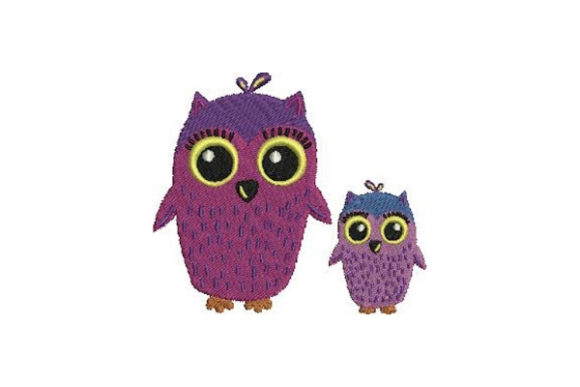
“Mom and Baby Owls” lands with gentle charm—not bold or edgy, but warmly inviting. It reads as soft, whimsical, and quietly sentimental—think farmhouse meets modern handmade. There’s no forced humor or trend-chasing here; just quiet storytelling in stitch form. That’s gold for craft fairs, where shoppers pause for emotional resonance, not flash. As an embroidery designer who’s stitched 300+ booth-ready pieces, I can tell you this design doesn’t shout—it leans in. And in a crowded market hall full of loud fonts and glittery motifs, that kind of subtle appeal cuts through.
Where Mom and Baby Owls Shines on Real Products
This machine embroidery design thrives where warmth and wearability intersect. On a natural linen tote bag? Perfect—centered above the pocket, it reads clearly from three feet away. On a cotton apron? Ideal for the chest pocket or lower left corner—soft enough to feel personal, detailed enough to reward closer looking. For tea towel embroidery, it holds up beautifully when placed near the hem or corner; the owls’ rounded shapes translate well onto textured terry cloth, especially with medium-weight cutaway stabilizer.
As an embroidered patch, Mom and Baby Owls gains versatility—sew it onto denim jackets, baby blankets, or reusable market bags. On small fabric pouches (think 5" x 7") or pillow covers, it works best as a centered focal point—not too large, not too small—letting the nesting composition breathe. For caps, proceed with caution: the design’s gentle curves and nested scale demand precise digitizing and careful hooping. Test it on scrap twill first—curved surfaces compress detail, and tiny beaks or feather outlines can blur without proper underlay and reduced stitch density.
What Makes It Sell—And What Requires Extra Care
Mom and Baby Owls earns attention because it feels intentional, not generic. Customers at craft fairs don’t just buy owls—they buy the feeling of nurturing, quiet joy, and handmade care. That translates directly to perceived value: a $28 embroidered tea towel with Mom and Baby Owls sells more confidently than one with a single abstract bird. It also strengthens brand consistency for small shop owners—if your line centers on nature-inspired, family-friendly handmade product, this design reinforces your voice across tote bags, patches, and pillow covers.
But let’s talk practicalities. This isn’t a “drop-in-and-stitch” file. The description hints at multiple embroidery file formats (“comes with multiple embr…”), which is promising—but always verify hoop size compatibility before cutting production fabric. Dense stitch areas (like the owls’ feathered chests or shared branch base) may require lighter thread tension and a tear-away + cutaway hybrid stabilizer on heavier fabrics like canvas or duck cloth. On dark fabric, contrast is critical: test thread colors against your base—cream or pale gray may vanish on navy, while mustard or sage adds warmth without washing out detail.
Photography, Listings, and Online Conversion
Mom and Baby Owls photographs exceptionally well for Etsy sellers and digital shops. Its balanced composition and clear silhouette make printable mockups pop—no frantic cropping or shadow adjustments needed. Use natural light and a clean background (linen, wood grain, or muted clay) to highlight texture and stitch quality. Avoid over-editing: buyers want to see real thread sheen and fabric drape, not flat perfection. In listings, pair it with phrases like “hand-embroidered charm,” “nesting owl motif,” or “gentle nature gift”—terms that align with Birds category search behavior and resonate with parents, teachers, and self-care shoppers.
Production Notes Every Embroidery Designer Should Check
- Test on scrap fabric first—especially if using textured towels, thick denim, or curved cap blanks.
- Confirm thread contrast before stitching 20+ units—what reads well on white may disappear on oatmeal or charcoal.
- Review spacing and clearance: ensure no part of the design grazes seam allowances or folds on pouches or pillow covers.
- Verify hoop size—if the largest version requires a 6" x 10", confirm your machine supports it before batch prep.
- Inspect stitch density in high-detail zones: tiny eyes or branch bark textures can become muddy without optimized underlay and reduced fill density.
- Use the right stabilizer—lightweight cutaway for stable wovens, fusible + tear-away for knits, and heavy cutaway for terrycloth.
- Create at least one real mockup before listing or packing for the fair—see how light hits the stitches, how the fabric drapes, and whether the scale feels intuitive in hand.
- Compare fabric colors side-by-side—a cream thread on ecru linen reads differently than on ivory cotton poplin.
- Confirm commercial licensing before selling finished product—this is non-negotiable for Etsy sellers and boutique makers.
Final Verdict: A Thoughtful, Booth-Ready Addition
Mom and Baby Owls isn’t flashy—but that’s its strength. It fits seamlessly into a cohesive craft fair display: next to botanical tea towels, minimalist aprons, and earth-toned pouches. It invites touch, sparks conversation (“Is that a mama owl holding her chick?”), and feels special without being precious. As a machine embroidery design, it balances detail with wearability. As a handmade product anchor, it supports storytelling, pricing confidence, and repeat customer recognition. Just remember: its quiet power demands intention—intentional fabric choices, intentional thread palettes, intentional placement. Stitch it right, and Mom and Baby Owls won’t just sit on your table—it’ll fly home with someone who needed exactly that kind of gentle reminder.